Plagiarism detection has evolved significantly beyond simple text matching. With the rise of AI-generated content and sophisticated paraphrasing techniques, modern plagiarism checkers now employ advanced algorithms, machine learning, and neural networks to identify both traditional copied content and AI-authored text. Whether you’re managing an SEO audit, checking student papers, or ensuring content originality for your website, understanding which plagiarism detection tools work best for your specific needs is essential.
This guide covers the most effective plagiarism detection tools available today, from premium enterprise solutions to free checkers, and explains how to choose the right tool based on your requirements.
Table of Contents
Understanding Modern Plagiarism Detection

How AI-Powered Plagiarism Detection Works
Traditional plagiarism checkers relied on exact text matching – comparing submitted content against a database of web pages and documents to find identical phrases. Today’s advanced plagiarism checkers use significantly more sophisticated approaches:
Machine Learning Algorithms analyze writing patterns, sentence structures, and linguistic fingerprints to detect paraphrased content that traditional checkers would miss. These AI detection tools can identify when someone has reworded source material without proper attribution.
Neural Networks power deep search capabilities that go beyond surface-level comparison. These cutting-edge algorithms can recognize semantic similarity even when the exact wording differs, making them particularly effective against sophisticated plagiarism attempts.
Feature Extraction technology analyzes multiple characteristics of text simultaneously – including vocabulary complexity, sentence rhythm, stylistic choices, and citation patterns – to build a comprehensive plagiarism profile.
The most advanced plagiarism detectors now incorporate image recognition algorithms to detect plagiarized visual content and can even perform similar image searches to identify reused graphics and charts.

Academic Integrity and Proper Citation
For academic institutions and researchers, plagiarism detection serves a dual purpose: identifying copied work and educating users about proper attribution. Academic plagiarism remains a serious concern, with consequences ranging from failing grades to degree revocation.
Proper citations are the foundation of academic integrity. Whether using APA, MLA, or Chicago citation styles, correctly attributing sources transforms what would be plagiarism into legitimate scholarly work. Many modern plagiarism checkers now include auto-citations features that help users generate properly formatted bibliography entries.
Key citation practices that prevent plagiarism:
- Use quotation marks for any verbatim text from sources
- Include parenthetical citations for paraphrased ideas
- Distinguish between primary and secondary sources in your references
- Properly cite research databases when pulling data or studies
- Disclose AI use if AI writing assistance was employed in content creation
Some plagiarism tools like Grammarly offer citation generators that automatically format references, while academic-focused tools like Turnitin integrate with learning management systems to provide educational resources alongside plagiarism reports.

Plagiarism Detection vs. AI Content Detection
A critical distinction has emerged in content verification: detecting plagiarism is fundamentally different from detecting AI-generated content, though the two concerns increasingly overlap.
Plagiarism detection identifies content duplication – whether someone copied text from existing sources without attribution. This includes:
- Direct plagiarism (verbatim copying)
- Accidental plagiarism (improper citation)
- Content duplication across multiple web properties
- Plagiarized content from paraphrasing without attribution
AI content detection identifies whether text was generated by large language models (LLMs) like ChatGPT, Claude, or similar tools. AI detection analyzes:
- Writing patterns characteristic of generative AI-based texts
- Statistical markers in word choice and sentence structure
- Consistency patterns that differ from human writing
- Metadata and linguistic fingerprints unique to LLM’s content
Some tools now offer both functionalities. For example, Grammarly’s authorship feature can flag both plagiarism and AI-generated sections, while Copyleaks and Originality.ai specifically market themselves as combined ai plagiarism checkers. However, traditional tools like Copyscape focus exclusively on duplicate content detection and won’t identify AI-written text.
For SEO professionals and content managers, this distinction matters: AI-generated content isn’t inherently plagiarized (it’s original text), but duplicate content penalties can still apply if multiple sites use the same AI prompts to generate similar articles. Using an AI content detector alongside a traditional plagiarism checker provides comprehensive content verification.

Who Uses Plagiarism Checkers?
Plagiarism detection tools serve diverse audiences with distinct needs:
Students verify assignments and research papers before submission to avoid academic probation and ensure their original work meets integrity standards. Many request plagiarism free reports as proof of authenticity.
Teachers and academics use these tools to evaluate student submissions, identify potential violations, and educate about proper attribution. Educational institutions rely on bulk checking capabilities for efficient grading.
Content creators and writers ensure their articles, blog posts, and marketing materials don’t inadvertently contain duplicate content that could trigger SEO penalties or copyright issues.
Journalists verify source material and confirm their reporting represents original work, particularly when synthesizing information from multiple sources under tight deadlines.
SEO professionals scan website content to identify duplicate content issues that harm search rankings and verify that outsourced content is unique before publication.
Each user group prioritizes different features—students need affordability, teachers need batch processing, and content teams need API integration—making tool selection use-case dependent.
Best Plagiarism Detection Tools by Use Case
Most Accurate: For Businesses and SEO Audits
Copyscape
Copyscape remains the gold standard for accuracy in plagiarism detection, particularly for live website content. This ai-powered plagiarism detector compares your content against billions of web pages to identify duplicate content issues that could impact your SEO performance.
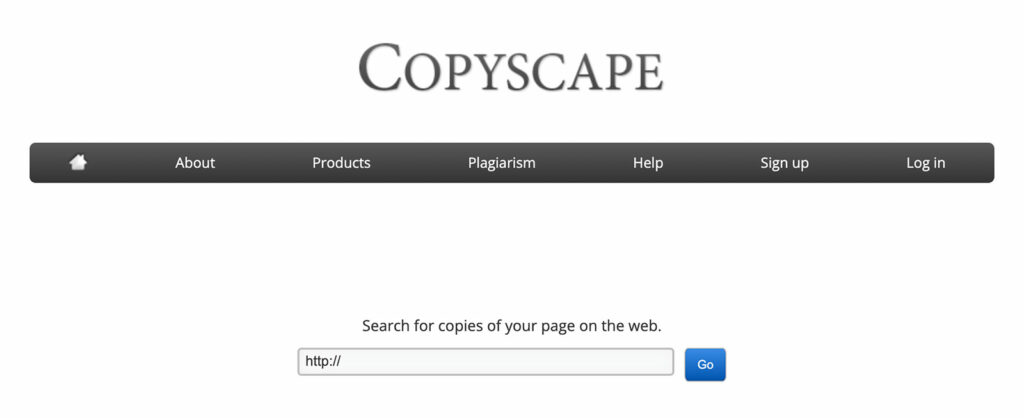
How to use Copyscape: Simply enter the URL of the page you want to check into the search box and click “search.” Copyscape will search the internet for any instances of that page’s content appearing elsewhere. If Copyscape finds any instances of plagiarism, it will list them on the results page with direct links to the original sources.
Copyscape is invaluable for preventing plagiarism and ensuring that all sources are correctly cited. For SEO professionals managing multiple client sites, Copyscape’s batch search and Copysentry monitoring features can automatically alert you to content theft.
Pros:
- Exceptionally accurate results for live web content
- Real-time monitoring with Copysentry
- API integration available for automated checking
Cons:
- Premium subscription recommended for full features
- Better at scanning live websites than uploaded documents
- Limited AI content detection capabilities
Website: https://www.copyscape.com/
Writing Assistant with Built-In Plagiarism Checker
Grammarly
Grammarly offers an all-in-one approach for those who don’t want to switch between writing, editing, and verification tools. This automated proofreading platform includes a comprehensive plagiarism checker that scans documents against billions of web pages and academic papers.
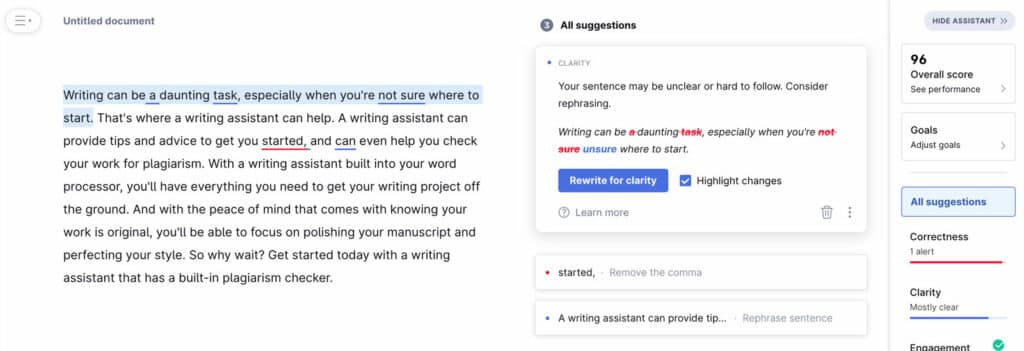
The plagiarism scan results appear in a detailed report with potentially plagiarized passages highlighted in red, along with links to the original sources. Grammarly’s recent addition of authorship detection also flags AI-generated sections, making it a useful tool for organizations concerned about both plagiarism and undisclosed generative AI use.
While Grammarly’s plagiarism checker isn’t as specialized as dedicated tools like Copyscape or Turnitin, it provides sufficient accuracy for most business content, blog posts, and professional writing. The integration of AI writing assistance, grammar checking, and plagiarism detection in one platform streamlines the content creation workflow.
Pros:
- Comprehensive all-in-one tool for writing, editing, and verification
- Includes AI detection capabilities
- Browser extensions for checking content across platforms
- Citation assistance available
Cons:
- You can’t edit and check plagiarism simultaneously
- Plagiarism checker requires premium subscription
- Less specialized than dedicated plagiarism tools
Website: https://www.grammarly.com/
Free Options: For Students and Personal Projects
Free plagiarism checkers serve students, freelance writers, and personal projects well, though they typically offer less accuracy and feature more advertising than premium alternatives. These tools access smaller databases and may miss some duplicate content, but they provide a reasonable baseline check at no cost.
Small SEO Tools
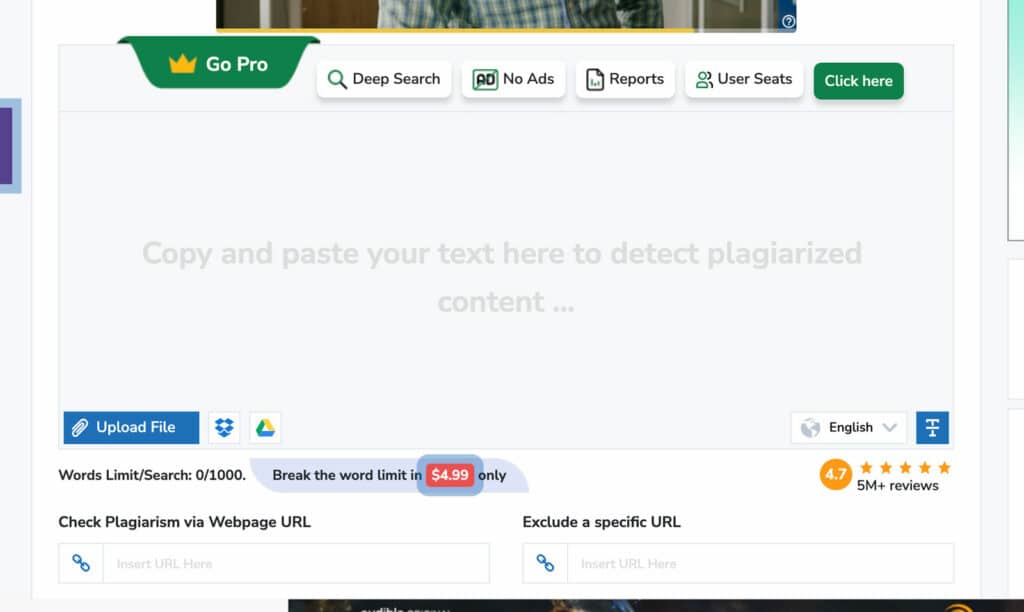
SmallSEOTools plagiarism checker analyzes user content and compares it to a database of billions of web pages and documents. If the tool identifies matches, it highlights the potential plagiarism and provides links to the sources. The tool is free to use and requires no registration, making it accessible for quick checks.
Pros:
- Completely free with no account required
- Simple interface for quick checks
- Reasonable for basic plagiarism detection
Cons:
- Heavy advertising throughout the interface
- Lower accuracy compared to premium tools
- Smaller database than paid alternatives
Website: https://smallseotools.com/plagiarism-checker/
Pre Post SEO
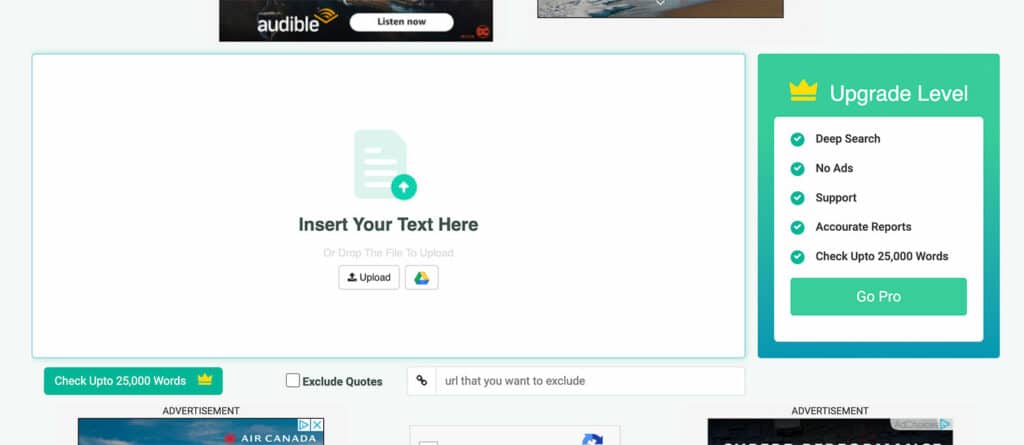
PrePostSEO offers a free plagiarism checker with a straightforward workflow: paste your text, click “Check for Plagiarism,” and receive a detailed report showing the percentage of plagiarized content. The tool highlights matching sections and provides source links for further investigation.
Pros:
- Free access with detailed percentage reports
- No download required
- Multiple language support
Cons:
- Ad-heavy interface
- Limited accuracy on paraphrased content
- Daily check limits for free users
Website: https://www.prepostseo.com/plagiarism-checker
Duplichecker
Duplichecker has earned popularity among free plagiarism checkers by comparing submitted text against billions of web pages and documents. When matches are found, Duplichecker highlights similar sections and allows users to decide whether citations are needed.
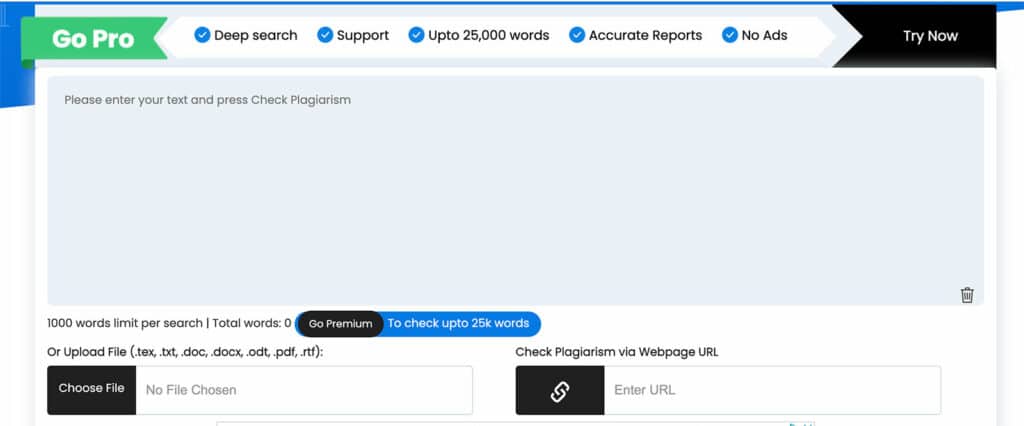
The tool operates with a simple paste-and-check workflow that delivers results within seconds. While not as sophisticated as premium AI plagiarism checkers, Duplichecker provides reasonable accuracy for personal use and basic content verification.
Pros:
- Free and easy to use
- Fast results
- Highlights matched sections clearly
Cons:
- Advertising throughout the platform
- Less accurate on advanced paraphrasing
- Limited database compared to paid tools
Website: https://www.duplichecker.com/

Choosing the Right Plagiarism Checker for Your Needs
Selecting an appropriate plagiarism detection tool depends on your specific requirements:
For SEO professionals and agencies: Premium tools like Copyscape offer the accuracy and live web monitoring essential for protecting client content and identifying duplicate content issues that impact search rankings.
For academic institutions: Specialized platforms like Turnitin (not covered in detail here) provide comprehensive features including citation checking, peer review, and integration with learning management systems.
For content creators and writers: All-in-one solutions like Grammarly balance plagiarism detection with writing assistance, though dedicated tools may be necessary for high-stakes content.
For students and personal projects: Free checkers like SmallSEOTools and Duplichecker provide adequate basic verification, though important submissions warrant investment in premium tools.
For AI content concerns: If detecting AI-generated text is a priority, look for tools specifically advertising AI content detection capabilities, as traditional plagiarism checkers focus exclusively on matching existing sources.
Conclusion
Modern plagiarism detection has evolved far beyond simple text matching. With AI-powered algorithms, neural networks, and advanced feature extraction, today’s plagiarism checkers can identify sophisticated content theft, improper paraphrasing, and even AI-generated text.
Whether you need enterprise-grade accuracy for SEO audits, comprehensive writing assistance with built-in verification, or free tools for personal projects, understanding each tool’s strengths helps ensure your content maintains originality and proper attribution.
For businesses concerned about both traditional plagiarism and AI-generated content, combining a specialized plagiarism detector like Copyscape with AI detection tools provides comprehensive content verification. Academic users should prioritize tools with strong citation support and educational resources.
If you need help deciding which plagiarism detection tool best fits your specific workflow, or want assistance with any aspect of content strategy and SEO, contact us. Our team specializes in content integrity and search optimization for addiction treatment and behavioral health websites.
FAQ
How does an online plagiarism checker actually work?
What are the different types of plagiarism these tools detect?
What features should I look for in a plagiarism checker?
What’s the best free plagiarism checker, or should I pay for premium?
Can a plagiarism checker also work as a grammar checker or AI detector?
