Imagine you’re walking down a busy main street in a town you’ve never visited, looking for a specific type of coffee. You don’t look at the physical signs first; you look at your phone. Within seconds, you see three options. One has no photos and two stars. One has a “permanently closed” label that looks suspicious. The third has vibrant photos of the interior, a 4.8-star rating, and a post from two days ago about a seasonal maple latte.
You go to the third shop. That is the power of a Google Business Profile (GBP), the platform formerly known as Google My Business. It isn’t just a digital yellow pages entry; it’s a free tool that serves as your digital storefront, and for local businesses, it’s the single most important asset you own online.
Table of Contents
- Understanding the Value of Your Digital Storefront
- Phase 1: Setting Up Your Profile from Scratch
- Phase 2: The Verification Process
- Phase 3: Optimizing Core Profile Elements for Maximum Visibility
- Phase 4: Driving Engagement and Building Trust
- Phase 5: Advanced Optimization and Service Listings
- Phase 6: Performance Monitoring and Troubleshooting
- Next Steps: Keeping Your Profile Fresh and Competitive
- Profile Best Practices and Compliance at a Glance
Understanding the Value of Your Digital Storefront
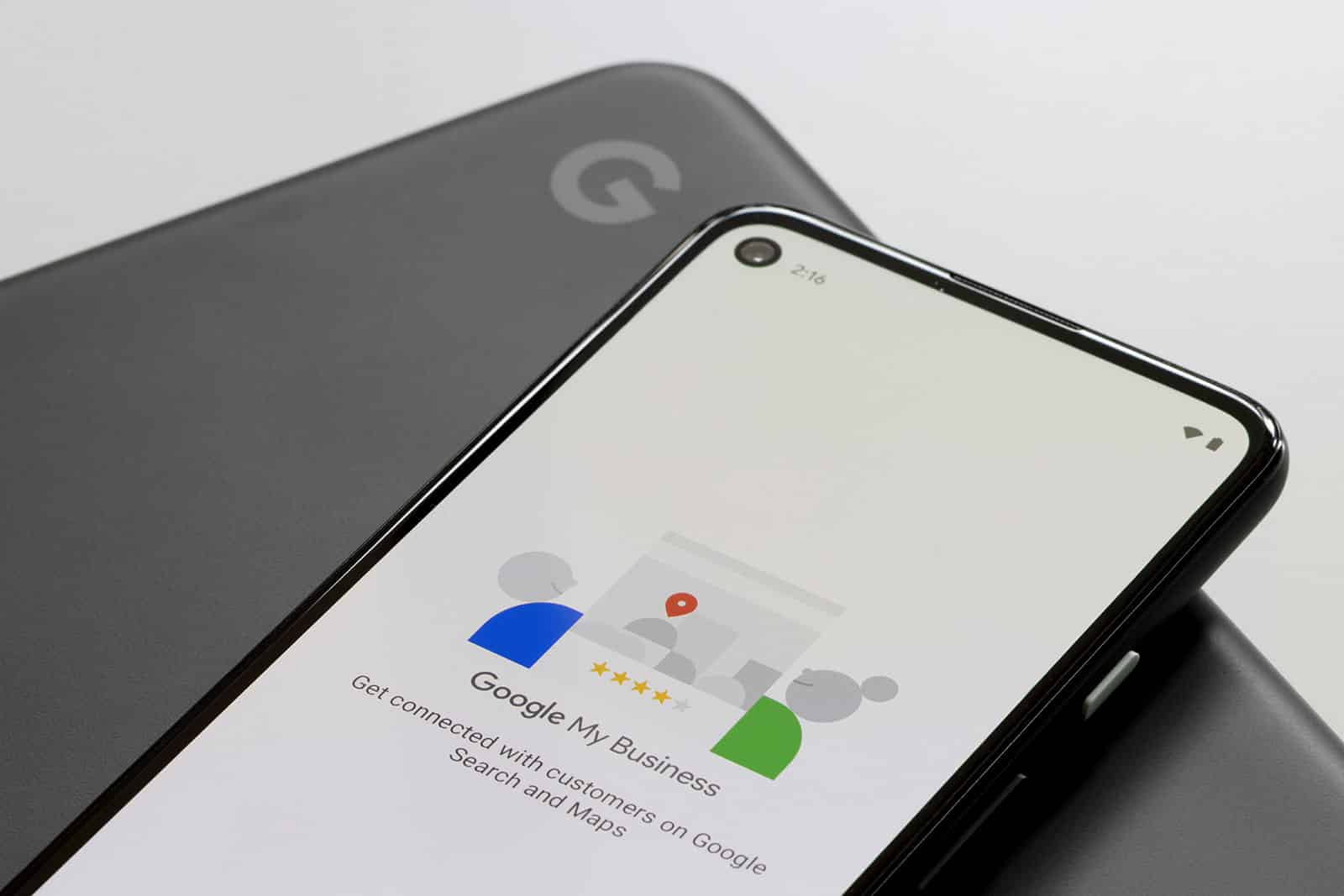
Why Google Business Profile is Non-Negotiable for Local SEO
In the world of Search Engine Optimization (SEO), there is “global” and there is “local.” While your website helps you rank for broad terms, your GBP is what puts you in the “Local Pack,” that coveted map section at the top of local search results on Google Search and Maps. When someone searches “plumber near me” or “best tacos in Austin,” Google prioritizes proximity, relevance, and prominence. Without a verified profile, small businesses are essentially invisible to the 80% of consumers who use search engines to find local information.
The Difference Between a Listing and an Optimized Profile
Anyone can have a listing. A listing is passive; it’s a name, a phone number, and basic business information that might have been scraped from an old database. An optimized profile is an active sales tool. It answers questions for potential customers before they’re asked, builds trust through social proof, and tells Google exactly what you do. A listing exists; an optimized profile competes.
Phase 1: Setting Up Your Profile from Scratch
Claiming Your Business or Creating a New Listing
Your first step is to visit google.com/business and open the Google Business Profile Manager. Start by typing your business name. If it pops up, a shell listing already exists and you need to claim it. If nothing appears, select “Add your business to Google.”
A word of caution: use a professional email address associated with your business domain rather than a personal Gmail account if possible. This ensures you won’t lose access if a former employee’s personal account was the one that created the listing. Recovering a profile from a disgruntled ex-employee is a painful process, and it’s entirely avoidable.
Choosing the Right Business Category (and Why It Matters)
The primary category is perhaps the most influential factor in how Google decides to rank you. Be specific. If you run a high-end Italian restaurant, don’t just choose “Restaurant.” Choose “Italian Restaurant.” Google uses this category to match you with specific user intent. You can add more categories later, but your primary one should be the bullseye of what you do.
Defining Your Service Area vs. Physical Location
This is where many business owners get tripped up:
Brick-and-Mortar: If customers come to you (like a retail store), enter your physical business address.
Service-Area Business (SAB): If you go to your customers (like a locksmith or a landscaper) and don’t have a storefront, hide your address and define your service area instead. You can select specific cities, counties, or zip codes.
Hybrid: If you have a shop but also deliver, list both.

Phase 2: The Verification Process
Standard Verification Methods: Postcard, Phone, and Email
Google needs to know you are who you say you are. The most common method is the postcard by mail. Google sends a physical card with a five-digit verification code to your business address. It usually arrives within five to seven business days.
In some cases, Google may offer phone or email verification, which is near-instant. More recently, they’ve leaned heavily on video verification, where you record a continuous video showing your street sign, your business tools, and proof that you have access to the management area (like opening a locked door with a key). Video verification has become the default for many categories, so be prepared to do it right the first time.
Managing the Waiting Period Without Breaking Your Listing
While waiting for your postcard, do not change your business name, address, or category. Doing so can void the verification code and force you to start over. Use this seven-day window to gather your assets: high-resolution photos, a list of services, and your business description. Treat it as the construction phase where the sign is up, but the doors aren’t open yet.
Phase 3: Optimizing Core Profile Elements for Maximum Visibility
Crafting a Compelling Business Description That Converts
You have 750 characters to tell your story. Don’t waste them by saying “We have been in business since 1994” three times. Focus on the value you provide. Use the first 250 characters to highlight your most important services and your unique selling proposition.
Bad example: “We are a local gym with weights and cardio.”
Good example: “Achieve your fitness goals at Downtown Iron, the only 24-hour boutique gym in Portland offering personalized coaching and recovery saunas.”
The Power of Visual Content: Best Practices for Photos and Video
A profile with photos gets 35% more clicks than one without. But don’t just upload a blurry shot of your desk. Plan your shots around what a customer actually wants to see.
Logo and cover photo: Upload a clean version of your logo so it appears next to your reviews and posts. Then choose one strong hero image as your cover, since this is the photo Google often features most prominently.
Exterior: Help people recognize your building so they don’t get lost. Shoot the storefront from the angle a driver would see.
Interior: Show the vibe. Is it cozy? Industrial? Professional? A handful of semi-professional pictures beats twenty phone snapshots.
The team: Humanize your brand. People buy from people.
Action shots: If you’re a roofer, show a team on a roof. If you’re a chef, show a plated meal. Keep videos under 30 seconds and well-lit.
Virtual tour: If your space is part of the experience (gyms, restaurants, boutique hotels), a 360-degree tour from a Google-certified photographer is worth the one-time investment. It keeps users engaged on your profile longer.
Inside your dashboard, you can see which photos are actually getting views. Check monthly and replace the ones that aren’t performing.
Leveraging Secondary Categories to Cast a Wider Net
While your primary category is the heavy lifter, secondary categories let you show up for long-tail searches. If your primary is “Marketing Agency,” your secondary categories might include “Web Design Services,” “Advertising Agency,” and “Internet Marketing Service.” Don’t spam these; only choose categories that truly represent what you offer.
Special Attributes: The Details That Tip Decisions
Google offers a growing list of attributes you can toggle on: wheelchair accessible, outdoor seating, Black-owned, women-led, free Wi-Fi, accepts cryptocurrency, and dozens more depending on your category. These show up as icons on your profile and can be the deciding factor for users filtering by need. Review your available attributes every quarter because Google adds new ones constantly.
Business Hours and Holiday Hours
Your standard business hours are obvious, but holiday hours are where most profiles fall down. Nothing tanks trust faster than a customer driving across town on Thanksgiving only to find you closed. Set holiday hours at least a week in advance for every statutory holiday, and set them to “closed” if you’re closed, never leave them blank. Google shows a “hours may differ” warning next to listings with stale hours, and that warning costs you clicks.

Phase 4: Driving Engagement and Building Trust
The Art of Managing Customer Reviews
Reviews are the heartbeat of local SEO. A high volume of positive reviews tells Google you’re a trusted authority and helps build trust with your audience. The secret isn’t just getting reviews, it’s responding to them.
When you get a positive review: Thank them by name and mention a specific detail (e.g., “Glad you loved the sourdough, Sarah!”).
When you get a negative review: Stay professional. Acknowledge the issue, offer to move the conversation offline, and never get into a public shouting match. Future customers are watching how you handle conflict, not just the mistake itself.
Review tools: Platforms like GatherUp, Birdeye, or Podium can automate review requests via SMS and email, but the actual response still needs to come from a human who understands your business. Don’t automate your replies.
Setting Up Messages and Frequently Asked Questions (FAQs)
Enable Messages to let customers text you directly through the Google Maps app. This is a game-changer for conversion because it meets people where they already are. Also use the Questions & Answers section. Pro tip: you can post your own questions. Ask common ones like “What are your holiday hours?” or “Do you offer free estimates?” and then provide the official answer yourself.
Booking Features for Service Businesses
If you offer appointment-based services (salons, healthcare, fitness studios, professional services), connect a supported booking provider so the “Book” button appears directly on your profile. Google partners with providers like Booksy, Vagaro, Acuity, and many industry-specific platforms. Removing friction between someone finding you and someone booking you is one of the highest-ROI changes you can make.
Think of Google Posts as social media lite. These updates appear in your profile and stay active for a limited time. Use them to announce a flash sale, share a blog post, or highlight a product of the week. Frequent posting signals to Google that your business is active and relevant.
Phase 5: Advanced Optimization and Service Listings
Adding Products and Services to Your Menu
Google lets you build a digital catalog of your offerings. If you’re a service provider, list every individual service with a price (where possible) and a description. If you sell physical goods, use the Products editor to showcase your inventory. A complete catalog helps your profile appear for very specific searches and gives users a reason to stay on your listing longer.
The Role of NAP Consistency Across the Web
Google cross-references your information with other sites like Yelp, Yellow Pages, and your own website. If your profile says “Ste. 200” but your website says “Suite 2,” it creates data friction. Make sure your Name, Address, and Phone number (NAP) are identical everywhere they appear online.
This is where local citations come in. A citation is any mention of your business NAP on another website (directories, industry listings, chamber of commerce pages, local blogs). Consistency across your citation footprint is one of the strongest off-profile ranking signals Google uses. Audit your top 50 citations once a year and fix any mismatches.
Make sure your website URL on the profile matches the canonical version of your site (with or without www, https, trailing slash). Small inconsistencies here create the same data friction.

Phase 6: Performance Monitoring and Troubleshooting
Analyzing Performance via the Insights Dashboard
Don’t just set it and forget it. Check your insights monthly. See how many people called you directly from the listing, how many requested directions, and most importantly, what keywords they used to find you. If people are finding you for “affordable haircut” but you want to be a “luxury salon,” you need to adjust your description and photos.
The native insights are useful but limited to roughly six months of history. For deeper analysis, connect your profile to a Databox template or similar reporting dashboard. Pairing Google Analytics with your Google My Business data lets you trace the full journey from profile view to website visit to goal conversion. Tracking calls, direction requests, website clicks, messages, and bookings against a clear KPI target is how you turn a pile of data into a decision.
Pay close attention to the actual search queries surfacing your profile, since this is where search intent becomes visible. Google groups these into the searches that triggered your listing, letting you see whether you’re matching the local services people actually want. If the queries skew toward terms that don’t fit your positioning, that’s your signal to adjust. Businesses managing multiple locations can pull bulk insights reports to compare query performance across profiles at once.
Managing User and Google Edits
Google lets users “suggest an edit” to your business information, and sometimes Google itself will auto-apply edits based on third-party data. These edits can silently change your hours, your category, or even your business name. Turn on email notifications for profile changes and audit your listing every two weeks for anything unexpected.
Common GMB Account Issues
A few recurring issues show up for almost every business eventually:
- Duplicate listings created by old data aggregators. Report these through “Suggest an edit > Mark as duplicate.”
- Merged listings where Google has accidentally combined your business with another at a similar address. This requires a support ticket.
- Phantom reviews that belong to a different business. Google support can reassign these if you provide evidence.
- Lost access when the original profile owner leaves the company. The “Request ownership” flow exists specifically for this.
Common Pitfalls and How to Avoid a Suspension
Google is protective of its users. If they suspect your listing is fraudulent or violates their guidelines for representing your business, they’ll issue a suspension. Avoid these red flags:
- Keyword stuffing the business name: If your business is “Joe’s Plumbing,” don’t name it “Joe’s Plumbing Best Local Plumber Emergency Drain Cleaning.” This is the single most common reason for suspensions, and Google’s algorithms catch it automatically.
- Fake reviews: Buying reviews, trading reviews with other businesses, or having employees leave reviews from personal accounts are all policy violations. Google’s review filtering has gotten aggressive, and suspected fakes will be stripped without warning.
- Using a PO Box or virtual office: You must have a physical location or be a legitimate service-area business.
- Multiple profiles for one location: This will get both profiles flagged.
- Ineligible category manipulation: Adding categories you don’t actually serve is a policy violation, even if they’re technically related.
What to Do If Your Profile Gets Suspended
If you wake up to a suspension notice, don’t panic and don’t make changes to the profile. First, identify which guideline you likely violated by reviewing the full Google My Business guidelines. Then submit a reinstatement request through the official form, including documentation that proves your business is legitimate (utility bills, business license, signed lease, professional insurance). Reinstatement typically takes three to fourteen days. Making edits during the suspension or submitting multiple requests resets the clock, so be patient.

Next Steps: Keeping Your Profile Fresh and Competitive
Setting up your Google Business Profile is a marathon, not a sprint. To stay ahead of the competition, set a calendar reminder once a week to:
- Upload two new photos
- Post one update (Google Post)
- Respond to any new reviews
- Check your insights for unusual changes in impressions or actions
And once a quarter:
- Audit your NAP consistency across your top citations
- Review and update your business description
- Check for user-suggested or Google-applied edits
- Update holiday hours for the next three months
- Review new special attributes Google has added for your category
By treating your profile as a living, breathing part of your SEO strategy, you’ll find that the Local Pack isn’t just a place for the big players. It’s a place for the most active and helpful businesses. Now, go claim your spot on the map.
Profile Best Practices and Compliance at a Glance
Before you chase rankings, get the fundamentals right, because Google’s guidelines for representing your business are the rules every profile is measured against. Most suspensions and lost visibility trace back to a handful of avoidable mistakes. Keep these profile optimization tips in mind:
- Represent your business honestly. Your name, primary category, and business address should reflect what you actually are and where you actually operate, never what you wish you ranked for.
- Avoid keyword stuffing in the business name. It’s the fastest route to a suspension.
- Earn reviews legitimately. Fake reviews and review trading are policy violations, and Google strips suspected fakes without warning.
- Run one profile per location. Duplicates flag both listings.
- Keep information current. Stale hours and a neglected profile erode trust with both Google and customers.
- Audit regularly. Catching user-suggested edits, duplicate listings, and category drift early keeps small problems from becoming profile suspensions.
Treating compliance as the foundation rather than an afterthought is what separates a profile that quietly compounds value from one that disappears overnight.
FAQs
Is Google My Business worth it?
What is Google My Business used for?
Related Articles
- Google Analytics Consulting for SEO: What to Track and When to Get Help
- Google Ranking Factors
- How to Set Up and Optimize Your Google Business Profile
- Cost of Retrieval in Google Search
Published on: 2022-10-13
Updated on: 2026-05-28
