
For years, marketing experts have told us that search engine optimization is vital for a business’s online success. You may be spending thousands of dollars and countless hours just to adapt to the ever-changing algorithm.
However, SEO is not as necessary as it seems. In reality, even Google says website owners should be more wary of SEO firms.
Now, to be fair, some businesses fail at SEO not because the strategy itself is flawed, but because it was poorly executed or misunderstood from the start. That’s a real problem. But even when SEO is done right, it’s not always worth prioritizing, and for many businesses, the time, money, and effort are better spent elsewhere.
In this article, I’ll explain why SEO is not important in the grand scheme. I’ll also debunk common SEO myths, share what alternatives actually work, and give you useful tips for when you’re considering SEO as a digital marketing strategy.
Table of Contents
- Understanding SEO
- Common SEO Myths You Should Stop Believing
- 10 Reasons Why SEO Is Not Important
- 1. Keyword Stuffing
- 2. Algorithm Changes
- 3. SERPs and Paid Ads
- 4. Shifting User Behaviors
- 5. Content Oversaturation
- 6. Google Penalties
- 7. Unpredictable Results and Long Timelines
- 8. Niche and Business-Type Limitations
- 9. Technical Barriers Make SEO Inaccessible
- 10. The True Cost of SEO Is Higher Than You Think
- Why Knowing Your Audience Matters More Than Chasing Rankings
- The Hidden Cost of Ignoring Competitors and Performance Data
- Track Everything or Don’t Bother
- The Rise of Other Alternatives to SEO
- When Should You Consider Hiring an SEO Agency?
- Tips for Hiring an SEO Firm
- Frequently Asked Questions
- What’s Your Experience With SEO?
- Conclusion
Understanding SEO
Search engine optimization is the process of improving your website’s ranking for visibility whenever customers search for your business online.
According to Forbes, when people conduct a Google search, page one results have a 27.6% click-through rate. Meanwhile, page two results have a 15.8% click-through rate. This means the higher your web page ranks, the more clicks you’ll get.
Digital marketers use SEO efforts to help the algorithm understand your content. Simply put, it increases your chances of landing on the first page.

Common SEO Myths You Should Stop Believing
Before we get into the reasons SEO may not be worth your investment, let’s clear up some widespread misconceptions. These myths are partly why so many business owners overvalue SEO in the first place.
Myth 1: SEO Guarantees Instant Results
One of the most damaging myths is that SEO delivers quick results. In reality, SEO typically takes 6 to 12 months to produce meaningful traffic, and for competitive industries, even longer. If someone promises you top rankings or top positions in 30 days, that’s a red flag. The user’s expectations need to be grounded in how Google actually evaluates a domain over time.
Myth 2: SEO Is Just About Keywords
Keywords are one piece of a much larger puzzle. Effective SEO involves technical optimization, site architecture, backlink strategy, content quality, user experience, mobile performance, and ongoing monitoring. Reducing SEO to “pick the right keywords” oversimplifies what’s actually a complex, multi-disciplinary effort.
Myth 3: SEO Is a Set-It-and-Forget-It Strategy
Some business owners treat SEO like a one-time project: optimize the site, then move on. But SEO requires continuous investment. Algorithms change, competitors adjust their strategies, and content becomes outdated. Without ongoing monitoring and adaptation, even a well-optimized site will lose ground over time.
Myth 4: If You Build It, Google Will Rank It
Publishing content does not guarantee rankings. Google evaluates hundreds of factors, and the competition for most keywords is fierce. Without a deliberate strategy that includes technical SEO, link building, and content promotion, most pages will never reach the first page of search results.

10 Reasons Why SEO Is Not Important
While SEO has some proven advantages, it may not be as important as you think. I believe it isn’t necessary to spend thousands of dollars on SEO, and here’s why:
1. Keyword Stuffing
Keyword research is the first step in every SEO strategy. While it can be effective, some businesses focus too much on keywords, thereby overusing them.
Keyword stuffing is a negative SEO tactic where companies use keywords to manipulate search engine results.
According to Search Engine Land, Google takes action against 40% of brands using keyword stuffing on their Google My Business. In addition, Search Engine Journal says keyword stuffing lowers your search result ranking.
Not only is it bad for user experience, search engines may even penalize web pages that use it.
Instead of using too many out-of-context keywords, Google says it’s better to maintain an authentic writing style. The irony is that proper keyword strategy is itself a complex discipline, requiring tools, analysis, and ongoing refinement, which brings us back to the question of whether the effort is worth it for your business.
2. Algorithm Changes
SEO is a digital marketing strategy that’s heavily reliant on the algorithm. So much so that a tiny change in Google’s algorithm can drastically reduce your websites traffic overnight.
Today, SEO can become a risky and unreliable marketing channel.
Websites that previously ranked highly because of SEO are now being overshadowed by a new focus on AI and intent. Generative AI can even create informative text, images, and videos, eliminating people’s need to enter a website.
This constant state of flux means SEO demands ongoing monitoring and adaptation. You can’t just optimize your site once and walk away. Every algorithm update requires you to re-evaluate your strategy, audit your content, and potentially overhaul your approach, which is time and money most small businesses don’t have.
3. SERPs and Paid Ads
Most of the time, search engine results pages, or SERPs, vary for each user.
SERPs can depend on a person’s location, language, and search history. Whether you’ll appear at the top involves other factors aside from SEO.
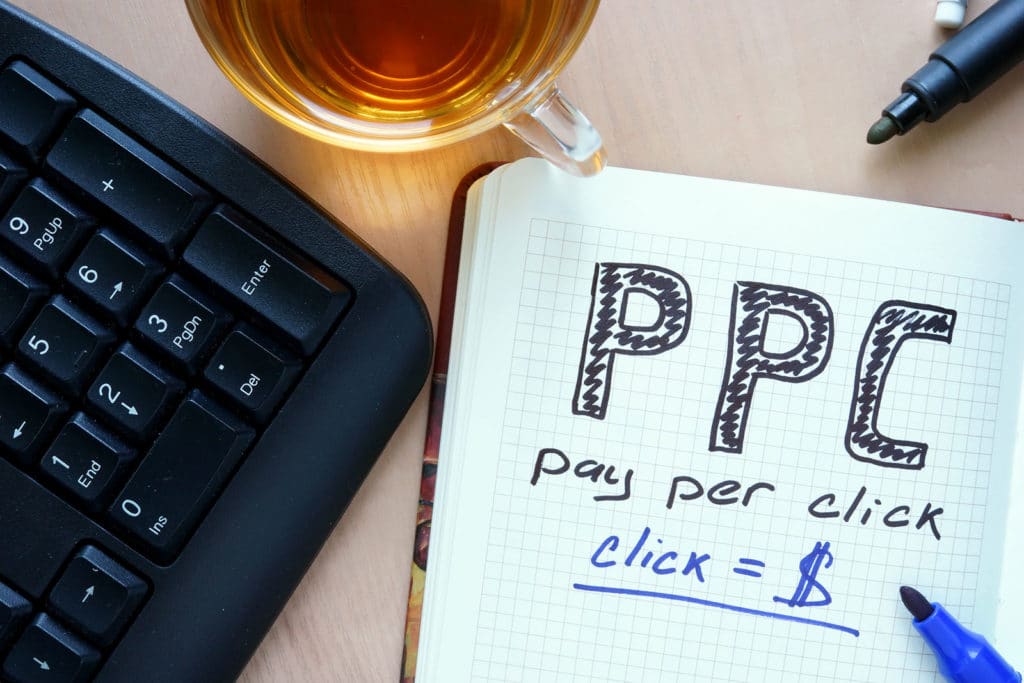
On top of this, SEO may also become useless due to PPC. Google can prioritize paid ads, placing only PPC campaigns at the top of search results.
4. Shifting User Behaviors
User behaviors are now changing.
For instance, according to a case study by JungleScout, 56% of consumers do product searches directly on Amazon. Other users may also conduct searches on YouTube or similar platforms.
Unfortunately, these websites follow a different set of SEO guidelines.
What’s more, voice searches are changing how people find information. Voice searching through Siri and Alexa is less keyword-based, rendering traditional SEO tactics less effective. As users increasingly turn to AI assistants and platform-specific search, the relevance of Google-focused SEO continues to shrink.
5. Content Oversaturation
Another issue you may encounter when you depend on SEO is oversaturation.
The digital space has an overwhelming amount of content. Plenty of websites are also copying each other, using similar SEO tactics. This oversaturation of content makes it difficult to stand out even with optimized posts.
There’s too much competition, and SEO alone does not guarantee visibility. It’s especially true now that everyone is following the same set of guidelines.
6. Google Penalties
Black hat techniques are SEO tactics that violate Google’s terms to artificially boost rankings. While it may temporarily raise your rank, pages using black hat techniques now receive heavy penalties, unlike before.
Those with unethical backlink practices, for instance, become blacklisted by Google. Bad links from spammy directories or paid networks can sink a domain that took years to build.
As a website owner, you should be wary of SEO agencies that use black hat techniques without your knowledge.
7. Unpredictable Results and Long Timelines
When you look at the bigger picture, getting an exact measurement of your SEO performance is nearly impossible.
Most of the time, SEO can take 6 to 12 months or longer to work. There are no quick results, and nobody can guarantee a number-one spot. For competitive industries, you might invest a full year of content creation, link building, and technical optimization before seeing any meaningful return.
Compare that to PPC, where you can launch a campaign and start generating traffic the same day. Or email marketing, where a single well-crafted campaign can drive sales within hours. Because of the unpredictability and long timelines, SEO is a marketing channel that’s simply not practical for every business with a limited budget.

8. Niche and Business-Type Limitations
Some niches and business types don’t need SEO as much as others. These businesses can do well with direct contact, community presence, and word-of-mouth referrals.
Here are some specific examples where SEO may not be your best investment:
- Short-term or trending products. If you’re selling a seasonal or viral product, SEO’s long timeline means you’ll miss the window entirely. PPC or social media is a better fit.
- Hyper-local businesses. A neighborhood bakery or local plumber often gets more value from Google Business Profile optimization, reviews, and community presence than from a traditional SEO campaign.
- B2B with a small buyer pool. If your target market is 50 decision-makers at enterprise companies, SEO isn’t how you’ll reach them. Direct outreach, LinkedIn, and trade events will be more effective.
- Solopreneurs and freelancers. With limited time and budget, investing months into SEO may not make sense when referrals, networking, and portfolio sites drive most of your business.
It’s important to do your research before investing in SEO. You may not realize that simply improving your Yelp reviews or optimizing your Google Business Profile may be more effective for your business.
9. Technical Barriers Make SEO Inaccessible
What many business owners don’t realize is that effective SEO goes far beyond writing good content. There’s an entire technical layer that can make or break your rankings.
Technical SEO includes site structure and architecture, internal linking strategy, click depth (keeping important pages within three clicks of your homepage), mobile optimization and Core Web Vitals, crawlability and indexability, schema markup, and page speed optimization.
For most small businesses without in-house development resources, tackling these technical requirements means hiring specialists, which adds significant cost. And if you ignore them, your content-level SEO efforts may not produce results at all. This technical complexity is one more reason why SEO isn’t always the right investment.
10. The True Cost of SEO Is Higher Than You Think
SEO is often marketed as “free traffic,” but that’s misleading. The real cost of SEO includes keyword research tools and subscriptions, content creation (writers, editors, designers), technical SEO audits and fixes, link building outreach, monthly monitoring and reporting, and ongoing strategy adjustments.
When you add it all up, a serious SEO effort can easily cost $2,000 to $10,000 or more per month for a small business. And unlike paid advertising, you won’t see returns for months. For businesses with limited marketing budgets, that money is often better spent on channels with faster, more predictable ROI.

Why Knowing Your Audience Matters More Than Chasing Rankings
One of the biggest reasons SEO disappoints is that businesses chase high rankings without understanding who they’re trying to reach. Ranking on page one for a keyword your audience doesn’t actually search means nothing. Traffic without intent is just noise.
Most SEO campaigns fail at the strategy layer, not the execution layer. The agency targets broad, high-volume keywords because they look impressive in a report, but those terms attract browsers, not buyers. Meanwhile, the long-tail phrases your real audience uses, the ones tied to actual purchase decisions, sit untouched.
The quality of a business is rarely communicated through generic SEO content. When pages are written to please search engines rather than the people behind the search, bounce rates climb and conversions stall. You can rank in the top search results and still lose every visitor within seconds because the content doesn’t speak to what the audience came for.
Before investing in SEO, ask harder questions about your audience. What problems do they describe in their own words? What stage of the decision process are they in when they search? What makes them trust one provider over another? If you can’t answer these clearly, no amount of SEO will fix the gap. Channels like email, direct outreach, and community engagement often surface these insights faster, and they let you act on them immediately rather than waiting six months for rankings to move.
The Hidden Cost of Ignoring Competitors and Performance Data
Another reason SEO underperforms is that businesses launch SEO campaigns without ever doing real competition analysis. They publish content, build a few links, and hope for the best. But SEO is a zero-sum game. For your page to rank, someone else’s has to drop, and the competitors already ranking have usually been investing for years.
A proper SEO competitor analysis tells you what you’re actually up against: which domains dominate your space, where they’re getting their backlinks from, what ranking gaps exist that you could realistically fill, and how much content depth a topic requires before Google takes it seriously. Skip this step and you’re guessing. Most SEO campaigns that fail were doomed at the planning stage because nobody mapped the competitive landscape first.
The same problem applies to ongoing performance. Businesses pour money into SEO and then never check what’s working. They don’t monitor your competitors as they shift strategy. They don’t audit their backlink profile to spot toxic links or wasted nofollow links that aren’t passing value. They don’t track which pages are gaining or losing ground in search. Without this monitoring discipline, your online presence drifts, and you only notice when traffic has already collapsed.
Tracking results and adjusting matters as much as the initial work. Set up proper analytics, watch your traffic by page and keyword, and benchmark against the competitors trying to take your spot. If you’re not willing to commit to that level of monitoring, SEO will feel like a black box, and the natural conclusion will be that it doesn’t work. The real issue is that nobody was watching the dials.
Track Everything or Don’t Bother
This is worth stating plainly: SEO without measurement is just guessing. If you can’t see what’s happening, you can’t fix what’s broken.
Every serious SEO effort needs baseline tracking before any work starts. That means current rankings for target keywords, current organic traffic by landing page, current conversion rate from organic visitors, current backlink profile, and a snapshot of where competitors sit on the same terms. Without this baseline, you have no way to prove whether anything improved.
From there, monitoring results becomes a monthly discipline. Which pages gained traffic? Which lost it? Did a Google update shift the landscape? Are new competitors entering the space? Is your conversion rate optimization holding up as new traffic arrives, or are higher rankings just delivering visitors who bounce? These questions need answers, not assumptions.
Conversion rate optimization is the piece most SEO efforts ignore entirely. A page ranking #1 with a 0.5% conversion rate is wildly underperforming a page ranking #5 with a 4% conversion rate. Yet most SEO reporting fixates on rankings and traffic while leaving conversions out of the picture. If your SEO partner isn’t reporting on conversions and adjusting strategy based on what’s actually generating revenue, you’re paying for activity, not outcomes.
This is the part where SEO most often falls apart. Not because the channel is broken, but because the feedback loop never gets built. Without monitoring and adjustment, even a strong initial strategy decays into irrelevance.

The Rise of Other Alternatives to SEO
Instead of becoming over-reliant on SEO, you can focus your attention on other alternatives. Below are popular options to consider.
1. Social Media Marketing
Using social media is a great way to create a direct relationship with your target audience.
According to Forbes, 90% of social media users follow at least one brand on social media. In addition, 76% of users have purchased an item they saw on social media.
Social media can also feel more authentic for some. In fact, 34% of consumers appreciate the genuineness of short-form videos on social media.
2. Content Marketing
Making great content for your audience is another alternative to investing in an SEO strategy.
Pricing-wise, content marketing costs 62% less than other channels. It’s more affordable and results in six times as many conversions.
The New York Times says content marketing is a powerful tool for creating brand awareness. It creates a more sophisticated communication method, boosting sales opportunities by 20%.
3. PPC Advertising
As per Growthscribe, pay-per-click advertising is a powerful alternative to SEO campaigns. The reason for this is that PPC generates twice as many visitors compared to SEO.
PPC outweighs organic traffic by 50%. Plus, it can return your investment by 200%.
PPC advertising is so effective that 74% of brands agree it’s a major driving force for their businesses.
4. Influencer Marketing
Influencer marketing is a relatively new and effective way to gain visibility. Studies show that influencer marketing works because it’s genuine.
More than 60% of consumers say they’re likely to buy a product if it’s recommended by an influencer they trust. Moreover, 82% of brands affirm they get better quality leads from influencer marketing efforts.
You should consider influencer marketing because it’s perfect for targeting niches.
5. Email Marketing
At first glance, email marketing may seem like it isn’t an effective strategy. Yet, 81% of companies still use email marketing to build connections with their customers.
Email marketing is best for direct sales, with a proven track record of returning on investment. It can drive sales for your business, especially if you’re in the childcare or pet care industry.

When Should You Consider Hiring an SEO Agency?
Even though SEO is not as important as other marketing channels, there are still cases where it can help your business.
Consider hiring an SEO agency if you need help with technical SEO. This involves improving your landing pages, site speed, and off-page and on-page SEO.
Another instance where you may want to acquire SEO services is if you have a new product. You can use SEO to create an optimized webpage, improving user experience and increasing website traffic.
Tips for Hiring an SEO Firm
Below are important reminders for those considering working with an SEO agency for their new website.
Watch for Red Flags. Be cautious of agencies that guarantee specific rankings, refuse to explain their methods, use proprietary “secret” techniques, or won’t share access to your analytics. A trustworthy SEO partner is transparent about what they’re doing and why.
Ask Questions. Do research on the agency and ask for details if something is unclear. The agency should be direct about what they intend to do, and you must interview your prospects.
Require a Technical Audit. Prospects should be able to determine areas of your website for improvement. They should give you a realistic estimate. Avoid ones promising first-place results.
Understand the Fees. Some agencies could just be driving traffic by placing you in the temporary advertising section. Be clear that you want to allocate the budget to permanent inclusion.
Perform a Background Check. Ask for case studies, portfolios, and client testimonials. The agency’s references should be legit and able to give you genuine insights into their experience.
Choose Wisely. Pick an agency that’s open and helpful. If an SEO agency creates deceptive content for you, your website could be removed from Google’s index.
Frequently Asked Questions
Is SEO really not important for my business?
Why do some businesses fail at SEO even after investing heavily?
How long does SEO take to show results?
What are the best alternatives to SEO?
Can SEO hurt my website?
Is SEO dead because of AI and voice search?
What’s Your Experience With SEO?
Every business is different, and what works for one may not work for another. I’d love to hear from you. Has SEO been worth the investment for your business, or have you found better results with other channels? Share your experience in the comments below. Your insights could help another business owner make a smarter decision.

Conclusion
In conclusion, SEO is effective in some cases. However, it’s definitely overhyped. Nowadays, SEO isn’t as effective as when marketers first discovered it.
Today, SEO is not so important, and you don’t have to spend a lot of time on it. Between the long timelines, technical complexity, rising costs, constant algorithm changes, and the shift toward AI-driven search, the barriers to SEO success are higher than ever.
As a small business owner, it’s better to increase your online presence by focusing on user experience. Having quality content and a holistic marketing approach will help you find potential customers.
Lastly, be sure to rethink your strategies and diversify your tactics. Doing so will allow you to create a more resilient business.
