
Local Search Engine Optimization (SEO) is the practice of increasing a business’s visibility in local results to attract more customers within the business’s geographic area.
For example, if a user types “women’s fashion near me,” local SEO makes it so that the business appears on the top results.
If you’re running an online business that ships internationally or offers services that don’t require in-person interaction, you’re probably wondering if local SEO is even worth it. The answer is yes, it is!
In this article, we’ll discuss everything you need to know about local SEO, including who it benefits the most, how to implement it into your business, and is doing local SEO worth it.
Table of Contents
- Who Needs Local SEO the Most?
- Is Doing a Local SEO Worth It?
- How to Optimize For Local SEO
- Step 1: Optimize Your Google Business Profile Listing
- Step 2: Create Other Business Accounts
- Step 3: Post Regular Updates
- Step 4: Collect and Respond to Reviews
- Step 5: Add Local Keywords to Your Website (Use Keyword Research)
- Step 6: Optimize for Mobile Search
- Step 7: Analyze Your Local Competitors and Stay Ahead
- Conclusion
Who Needs Local SEO the Most?
Local SEO is most beneficial to businesses with a physical location or that serve a local area. This includes:
- Brick-and-mortar stores (clothing boutiques, salons, gyms)
- Service-based businesses (plumbers, electricians, landscapers)
- Medical and wellness providers (dentists, chiropractors, therapists)
- Restaurants, cafes, and bars
- Legal professionals (lawyers, notaries, consultants)
- Real estate agents and agencies
- Local contractors and tradespeople
- Pet services (e.g., veterinarians, dog groomers, pet supply shops)
Local SEO connects businesses directly with nearby customers who are actively searching for their products or services.

People searching locally are often those ready to take action. After all, a user wouldn’t search “service near me” without the intent of making a purchase, scheduling a service, or at the very least comparing nearby options before deciding.
Luckily, optimizing a business’s local technical SEO is much simpler than traditional SEO. Local SEO focuses on a specific geographic area, which means less competition and more targeted strategies.
Instead of trying to rank for broad, high-volume keywords, you’re optimizing for local intent: “near me” searches, city-specific phrases, and local directories. This makes the optimization process more manageable and often yields quicker results.
Is Doing a Local SEO Worth It?
Yes, local SEO is absolutely worth doing!
Many businesses underestimate the value of their local footprint. Even for businesses without a physical storefront, local SEO can enhance a business’s credibility and online visibility.
It also attracts local customers and local audiences who prefer supporting nearby businesses, even if the service offered is online. Customers appreciate the familiarity that comes with a local business. They trust someone who understands their community and needs.

For instance, if your small business offers coaching or online tutoring services, your knowledge of nearby schools, local events, and resources adds real value to your clients. It also makes for great rapport; you can talk to clients about upcoming local concerts, festivities, and opportunities, strengthening your professional relationship and increasing loyalty.
Still not convinced? These statistics might change your mind:
- 46% of Google searches have local intent
- Searches containing the keyword “near me” have surged by over 500% in recent years
- Approximately 28% of “near me” searches lead to a purchase
- 8 in 10 US consumers say they search for a local business online at least once a week
- 4 in 5 consumers use search engines to find information about local businesses
- 76% of consumers who search for “near me” visit a business within a day
From these statistics alone, it’s clear that optimizing your business’s local SEO is worth the effort. The higher your ranking, the better your visibility, which leads to more potential customers discovering and choosing your business.
How to Optimize For Local SEO
Here’s a step-by-step guide on how to optimize your business’s local SEO:

Step 1: Optimize Your Google Business Profile Listing
Your Google Business Profile (GBP), formerly known as Google My Business, is the beating heart of your local online presence. It’s where people discover your business name, address, phone number, opening hours, customer reviews, pictures, and more.
Creating a business profile listing on Google is free, so there’s no reason you shouldn’t do it. Businesses that have a complete Google Business Profile are 50% more likely to be chosen by customers, according to Google.
To create a Google Business Profile, go to business.google.com and sign in with your Google account. Then, fill out the necessary requirements: your business name, category, and address.
Choose whether you’re a storefront or a service provider. If you work from home or prefer your customers don’t visit your office, choose a mile radius around your business or enter a nearby zip code.
Add a compelling description of your business and photos to complete your listing. And don’t forget to highlight the unique features or services your business offers for your target audience, such as:
- Free Wi-Fi
- Wheelchair accessible
- Outdoor seating
- Women-owned
- Locally sourced ingredients
- Vegan/vegetarian (if application)
- Child-friendly
- Dog-friendly
- Accepts reservations

Step 2: Create Other Business Accounts
Once you’ve created a Google Business Profile, do the same on other websites like Instagram, Facebook, LinkedIn, Yelp, and Bing Places. These listings help expand your online presence and boost your credibility.
Make sure your business information is consistent across all platforms. Consistency helps search engines trust your business details, which in turn improves your local search rankings.
Having multiple business accounts across various platforms also allows customers to contact you using an online account they already have. Not everyone wants to contact a business via Google or phone call, so giving them the option increases your chances of being contacted.
Additionally, having a social media presence makes it easier for customers to share your profile with friends, helping you reach more people through word of mouth.
Step 3: Post Regular Updates
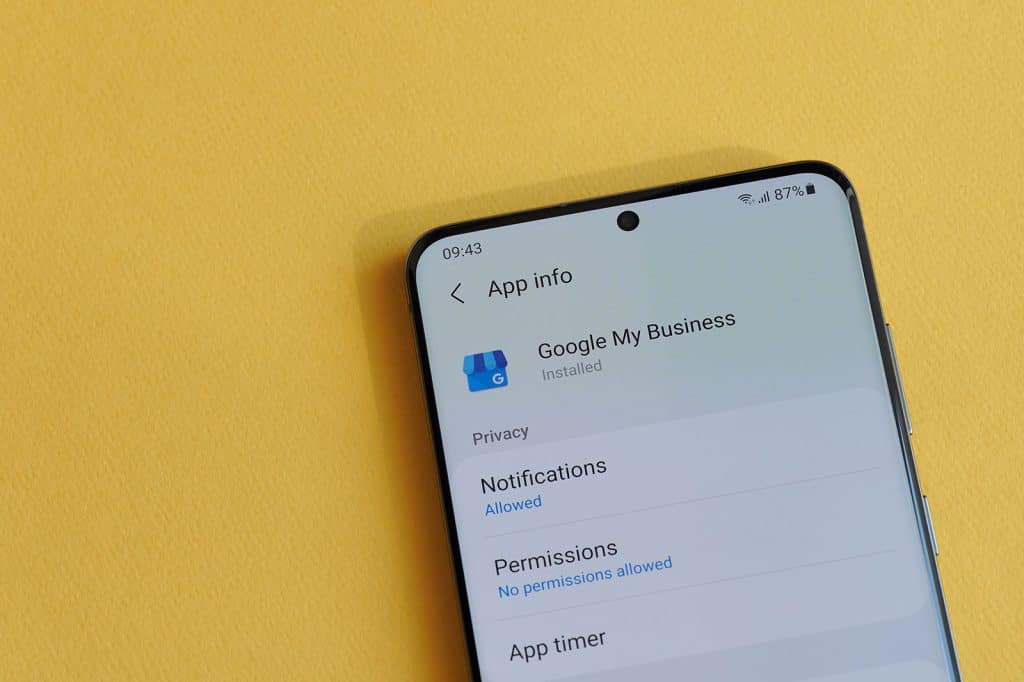
Google lets business owners share updates, promotions, or events directly on their business profile.
Posts can include text (up to 1,500 characters), images or videos, and calls-to-action like “Book Now” or “Order Online.”
Whenever your business hosts a promotional event—especially one tied to a local festivity—be sure to add it to your Google Business Profile. During community events, people often search for nearby options for food, parking, shopping, or entertainment. Listing your event increases your chances of showing up in those local searches and attracting foot traffic.
The same is said for your social media accounts. Post your new offerings, promotions, discounts, and events on Instagram, Facebook, and other social media to let your customers know about your current offers.

Step 4: Collect and Respond to Reviews
Customers are more likely to visit a location or try a service that has multiple positive reviews. Encourage satisfied customers to leave positive Google reviews and briefly share their experience. Respond to all of the reviews, good or bad, to show that you’re an active business that values what customers think and cares about your online reputation.
Reviews improve visibility and build trust with new customers. Statistics show that 80% to 90% of customers read online reviews, with many using Google Search and Google Maps specifically for this purpose.

Step 5: Add Local Keywords to Your Website (Use Keyword Research)
Adding local keywords to your website is another great way to increase your local visibility.
On the front page, include your city, neighborhood, and/or region. Then, brainstorm all the terms and phrases a customer might search when looking up a business like yours. If you’re a bakery, for example, your keywords can include ‘fresh bread,’ ‘desserts,’ and ‘homemade.’
Also, think of location-specific terms customers may add to describe your local area. For example, “bakery near Brickell,” “bakery near Bayside Marketplace,” or “bakeries in [post code].” Add these keywords naturally in the following:
- High-quality blogs/articles
- Page titles
- Meta descriptions
- Image alt text
- Headers (H1, H2, etc.)
- Product or service descriptions
- Internal links
You can also add these keywords to your FAQs, testimonials, contact page, and footer. These keywords help search engines like Google understand where your business is located and what it offers.
Just make sure you incorporate these keywords naturally; you don’t want it to look like you’re purposely overstuffing keywords to gain visibility.
Step 6: Optimize for Mobile Search
Most local searches happen on mobile devices, so your website needs responsive design and fast site speed to capture this traffic. Google Search Console can help identify mobile-friendly design issues affecting your rankings.
Mobile searches often use natural language and long-tail keywords like “best coffee shop open now near downtown” instead of just “coffee shop.” Your content should answer these conversational queries naturally.
Ensure your Google Business Profile and Google Maps listing load quickly on mobile devices. When potential customers search on their phones, they expect instant access to your location, hours, and customer reviews. A slow, non-mobile-friendly website will send them to competitors instead.
Test your site’s mobile performance regularly and prioritize improvements that directly impact local searchers’ experience—especially page load times and ease of finding your contact information.

Step 7: Analyze Your Local Competitors and Stay Ahead
One of the biggest advantages of local SEO is the ability to gain a competitive edge in your market. By analyzing your competitors’ strategies, you can identify gaps in their approach and capitalize on opportunities they’re missing.
Start by identifying your top 3-5 local competitors—businesses that serve the same target audience and appear in search results for your industry. Use free tools or conduct manual searches to see where they rank for local keywords, what content they’re creating, and how active they are on their Google Business Profile and social media.
Pay attention to competitor activity like:
Their keyword strategy: What local search terms are they targeting? Are there relevant keywords they’re ignoring that you could claim?
Their content quality: Are they regularly posting blogs, updates, and promotions? If they’re inactive, that’s a quick win for you to capture their audience’s attention.
Their reviews: How many reviews do they have, and what are customers saying? If competitors have complaints about slow service or limited hours, emphasize your strengths in these areas.
Their Google Business Profile: Is it complete and updated? Many businesses create profiles but never optimize them fully, giving you an easy opportunity to stand out.
Once you’ve gathered insights, use them for refining your strategy. Focus your ongoing local SEO efforts on areas where competitors are weak. For example, if no one in your area is creating helpful blog content answering common customer questions, start publishing articles that position you as the local expert.
Be cautious of SEO scams or agencies promising instant results. Real local SEO requires consistent effort and strategic planning. Tracking your conversion rates and analyzing which strategies drive actual business—not just traffic—will help you understand what’s working.
The key to maintaining your competitive advantage is treating local SEO as an ongoing process, not a one-time task. Continue monitoring competitor activity, test new local SEO strategies, and adjust based on performance data. The businesses that stay proactive and responsive to their market are the ones that dominate local search results.
By staying one step ahead of your competition, you’ll attract more customers, build stronger community connections, and establish your business as the go-to choice in your local area.
Conclusion
Spend time studying Google algorithms, Google Analytics, common search queries, mobile-friendly functions, SEO performance, how SERP (Search Engine Results Page) and return on investment (ROI) work to boost the effectiveness of your SEO marketing strategy.
FAQs
Do I need to update my local SEO regularly?
Should I hire someone to improve my local SEO strategy?
How Do I Optimize My Google Business Profile Categories and Attributes?
What Is NAP Consistency and Why Does It Matter for Local SEO?
What Is Local Business Schema and Do I Need It?
Do Core Web Vitals Affect Local Rankings?
How Should I Optimize My Site for Mobile Local Searches?
How Do I Get More Google Reviews for My Business?
What Local SEO KPIs Should I Track?
If you’re looking for a reliable SEO agency, you can’t go wrong with SEO North. Contact us today to generate more traffic and leads for your local market.
