
You’ve mastered traditional SEO (search engine optimization)—optimizing your site, building links, creating content that ranks. But what happens when negative content about your brand dominates page one? Or when a competitor’s stranglehold on key search terms blocks your visibility, no matter how good your content is?
Enter reverse SEO techniques: the strategic art of influencing Google search results by pushing down unwanted content or diluting competitor dominance through superior content creation and authority building.
Table of Contents
What Reverse SEO Actually Means
Let’s be clear upfront: “reverse SEO” isn’t an official industry term. It’s a conceptual framework for proactive reputation defense and competitive visibility strategies.
What it is: Creating an overwhelming volume of high-quality, authoritative content that outranks and displaces existing negative content or dilutes competitor dominance on the SERP.
What it’s not: Black hat tactics, negative SEO attacks, algorithmic manipulation, or anything that violates search engine guidelines. Those lead to penalties, not results.
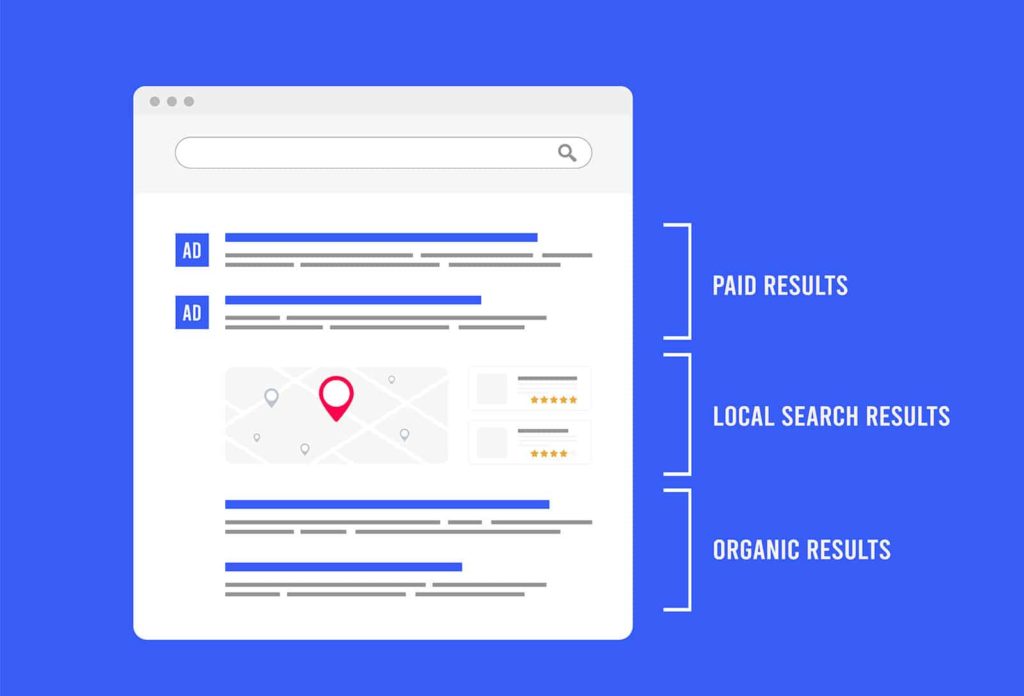
Think of the SERP as a ranked list with limited space. You can’t easily remove content you don’t control, but you can create so many superior, relevant alternatives that the unwanted content gets buried beneath them.
The Ethics: Defense, Not Sabotage
The line between ethical reverse SEO and manipulation is clear: intent matters.
Ethical applications:
- Pushing down outdated, inaccurate negative content that misrepresents your current brand
- Creating genuinely superior content to compete with low-quality competitor spam
- Building a proactive positive digital footprint before reputation issues arise
Where you cross the line:
- Spreading misinformation about competitors
- Creating fake negative reviews
- Using negative SEO tactics to trigger competitor penalties
- Any intent to sabotage rather than compete fairly
If your content isn’t genuinely more valuable than what you’re displacing, you’re approaching this wrong.

Three Core Reverse SEO Strategies
1. Pushing Down Negative Content
The scenario: A damaging review, inaccurate blog post, or outdated news story ranks prominently for your brand terms.
The approach: Create 5-10 pieces of positive, authoritative content for every negative result you’re targeting. This includes optimized case studies, testimonials, press releases, FAQ pages, and thought leadership content across multiple platforms.
Each new piece that Google deems relevant and valuable acts as displacement, pushing unwanted content further down the search engine rankings.
2. Diluting Competitor Dominance
The scenario: A competitor monopolizes key industry terms with a single strong piece of content or multiple web pages.
The approach: Don’t just create one competing piece—flood the SERP (search engine results pages) with multiple high-quality resources that collectively offer more value. Comprehensive guides, detailed infographics, expert interviews, comparison content, and topic-specific deep dives.
You’re not destroying their online presence; you’re ensuring searchers have better alternatives that feature your brand prominently.
3. Proactive Online Reputation Management
The scenario: You want to prevent future reputation issues before they arise.
The approach: Build a strong positive digital footprint across owned and third-party platforms. When negative content eventually appears, it will struggle to gain traction because you’ve already claimed prime SERP real estate with authoritative content.
This is reputation defense before the crisis hits.
How to Execute Reverse SEO (Step-by-Step)
Step 1: Forensic SERP Analysis
Before creating content, you need to understand exactly what you’re competing against. Search your brand terms, product names, and problematic keywords. For each ranking piece you want to displace, analyze:
Technical strength:
- Domain authority and backlink profile quality
- Site speed, mobile optimization, and technical SEO health
- URL structure and domain age
Content quality:
- Freshness and update frequency
- Content depth and topic comprehensiveness
- Keyword relevancy and search intent alignment
- User engagement signals (time on page, social shares)
Target audience:
- Who is this content serving? Technical experts? Frustrated potential customers? Enterprise buyers?
- Language and tone—formal or conversational?
- UX elements: formatting, visual aids, navigation structure
Exploitable weaknesses:
- Outdated information
- Thin content that doesn’t fully address the topic
- Poor user experience or difficult navigation
- Lack of credibility signals (author expertise, citations)
Content type: News article? Review site? Forum post? YouTube video? Each requires different displacement strategies.
Map the complete SERP landscape. Understand not just what ranks, but why it resonates with searchers and where its authority comes from.
Step 2: Create Superior Displacement Content
Now you compete. Don’t just match the content you’re targeting—exceed it in every dimension.
Volume matters: For each negative result, create 5-10 pieces of positive content. For competitor dilution, create multiple resources that collectively dominate the topic.
Content types to deploy:
- Dedicated website pages (FAQs, testimonials, case studies)
- In-depth blog posts addressing concerns or showcasing expertise
- Press releases through reputable distribution services
- Video content (tutorials, customer interviews, behind-the-scenes)
- Optimized third-party profiles (industry directories, review sites)
- Social media content across all relevant platforms
Quality requirements:
- Genuinely useful to searchers
- More comprehensive than what you’re displacing
- Better formatted and more engaging
- Clearly demonstrates expertise and authority
- Optimized for relevant keywords without over-optimization
The goal is SERP saturation with content that’s objectively more valuable than what currently ranks.
Step 3: Competitive Backlink Analysis and Strategic Link Building
Content alone won’t displace entrenched results. You need authority, which means backlinks.
Competitor Keyword Research – Analyze what you’re competing against:
Use Ahrefs, SEMrush, or Moz to examine competitor’s backlink profile of content you’re targeting:
- Backlink Profile: Where do their links come from? (Industry sites? News outlets? Directories?)
- Link quality ratio: High-authority (DR/DA 50+) versus low-quality links
- Link gaps: Which authoritative sites link to them but not to you?
- Content patterns: What attracts their best links? (Original research? Ultimate guides?)
- Anchor text distribution for natural link patterns
This intelligence tells you exactly what caliber of links you need to compete.
Execute a surgical link building strategy:
- Replicate their best links: Pitch your superior content to the same high-authority sites linking to what you’re displacing
- Guest posting: Write for reputable industry blogs (especially those linking to competitor content) with natural links to your content
- Digital PR campaigns: Create link-worthy assets (original research, data studies, expert roundups) designed to attract authoritative backlinks
- Media outreach: Share press releases and newsworthy stories with journalists covering your industry
- Influencer partnerships: Collaborate with industry experts whose mentions and links carry weight
- Strategic content syndication: Republish on high-authority platforms (LinkedIn, Medium, industry publications) with proper canonical tags
- Internal linking: Ensure your site strategically links to new content to pass authority
Focus on quality over quantity. A handful of links from genuinely authoritative sources (major news outlets, .edu domains, industry leaders) outperforms dozens of low-quality directory links.
Benchmark against the content you’re displacing, then exceed it.
Step 4: Ongoing Monitoring and Reputation Management
Reverse SEO isn’t set-and-forget. Maintain momentum:
- Monitor brand mentions across the web using tracking tools
- Engage professionally with all reviews (positive and negative)
- Update content regularly to maintain freshness and relevance
- Maintain consistent publishing of valuable content
- Track SERP positions for target keywords to measure displacement progress
Active management ensures your efforts compound over time.

When Traditional SEO Isn’t Enough
Deploy reverse SEO when:
Your reputation is under attack: Unfairly negative content ranks prominently and damages your brand perception.
Competitors dominate unfairly: Low-quality spam or aggressive SEO monopolizes terms crucial to your business.
Traditional optimization hits a wall: You’re doing everything right with on-site SEO, but external factors block your visibility.
Reverse SEO adds an offensive layer when defensive optimization alone doesn’t cut it.
The Bottom Line: Value Creation Over Manipulation
The most effective reverse SEO succeeds because it makes the internet better. You’re not just suppressing content—you’re replacing it with something objectively more valuable, relevant, and helpful.
If your displacement content doesn’t genuinely serve searchers better than what currently ranks, your content strategy will fail. Search engines reward value, not manipulation.
Reverse SEO is an extension of long-term brand building and quality content marketing. While it can address immediate crises, its most powerful effects come from sustained efforts to build an authoritative, positive digital presence that naturally dominates search results.
Build a brand that earns its SERP dominance through quality, and the need for reactive displacement strategies diminishes significantly.
